About our Fibres
Where do our Fibres come from?
We work really hard with our suppliers to make sure the fibres are sourced from the best possible places, where animals and workers are treated well, this is really important for us.
On this page you will see information on the variation of fibres we offer as well as information on treatments to our fibres. Please always feel free to email us for information on fibres, Jeni is very happy to explain our processes, or support you, if you are not sure about what to choose. Please head to our Chester Wool Page and drop us an email.
more information About our fibres
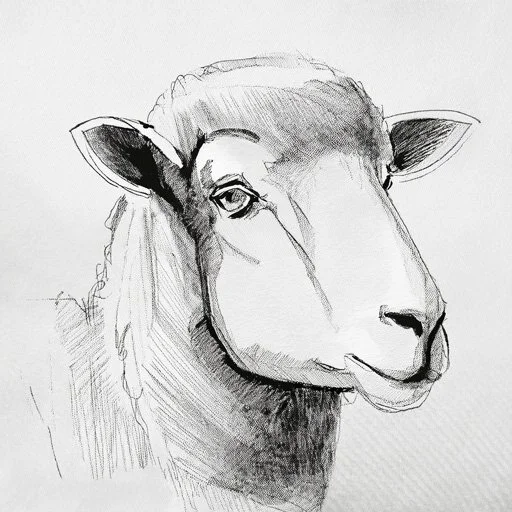
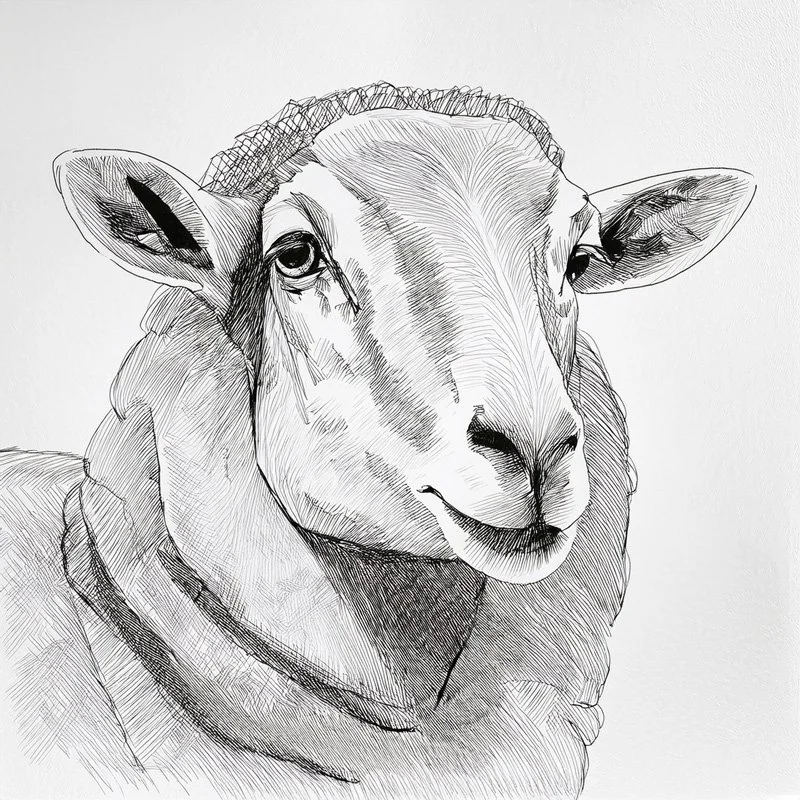
Peruvian Highland Merino
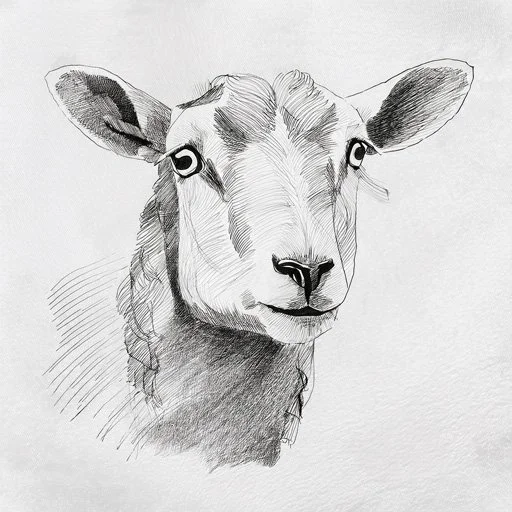
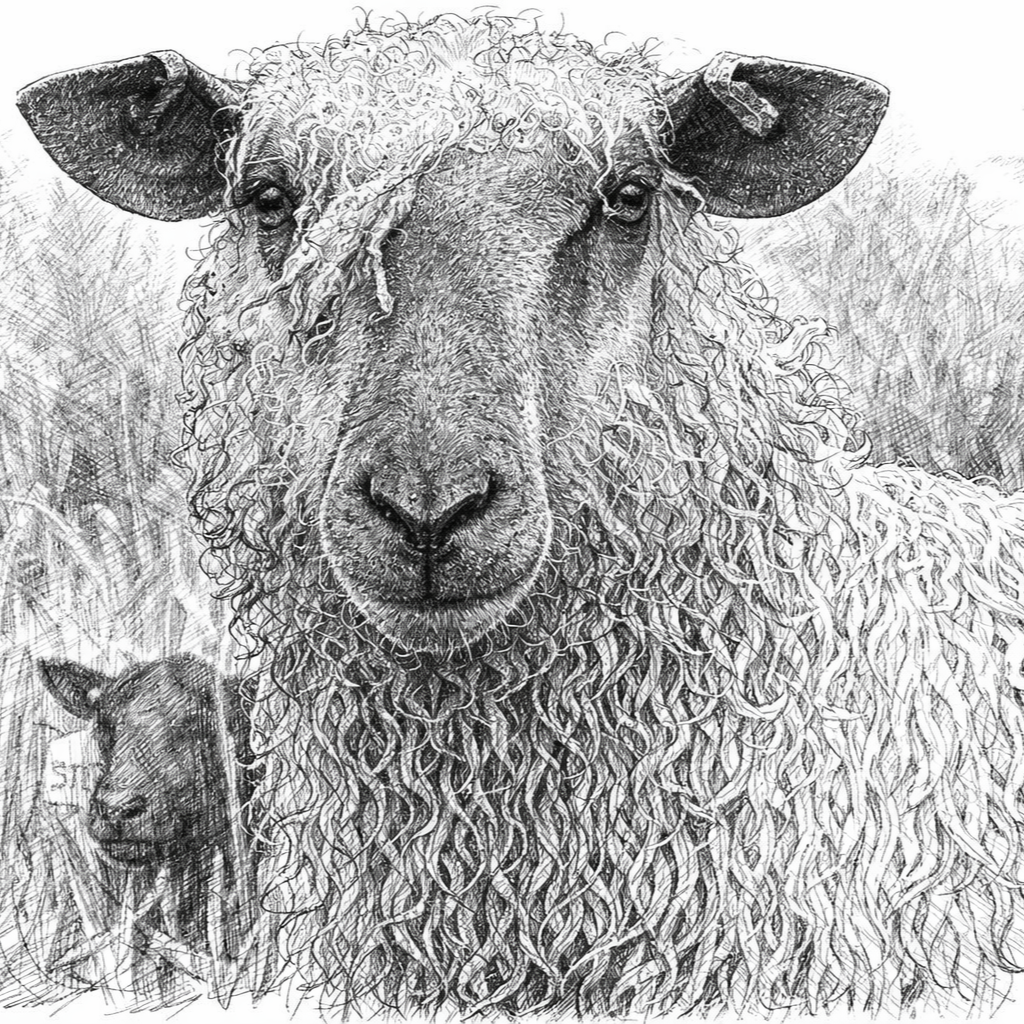
Our Peruvian Highland merino Non-Superwash wool sourced from small farms in the Peruvian mountains. It comes from a crossbreed of sheep that lives in the Peruvian highlands at over 2,000m above sea level. These crossbreed animals derive from Corriedale and Merinos, and the environment in which they live allows them to produce a wool that is dry, crimpy and durable.
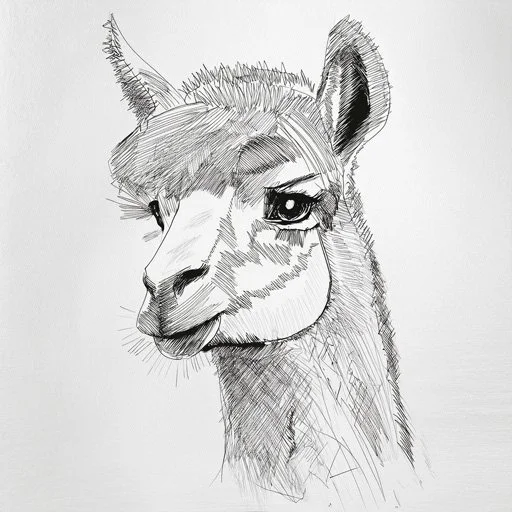
Alpaca
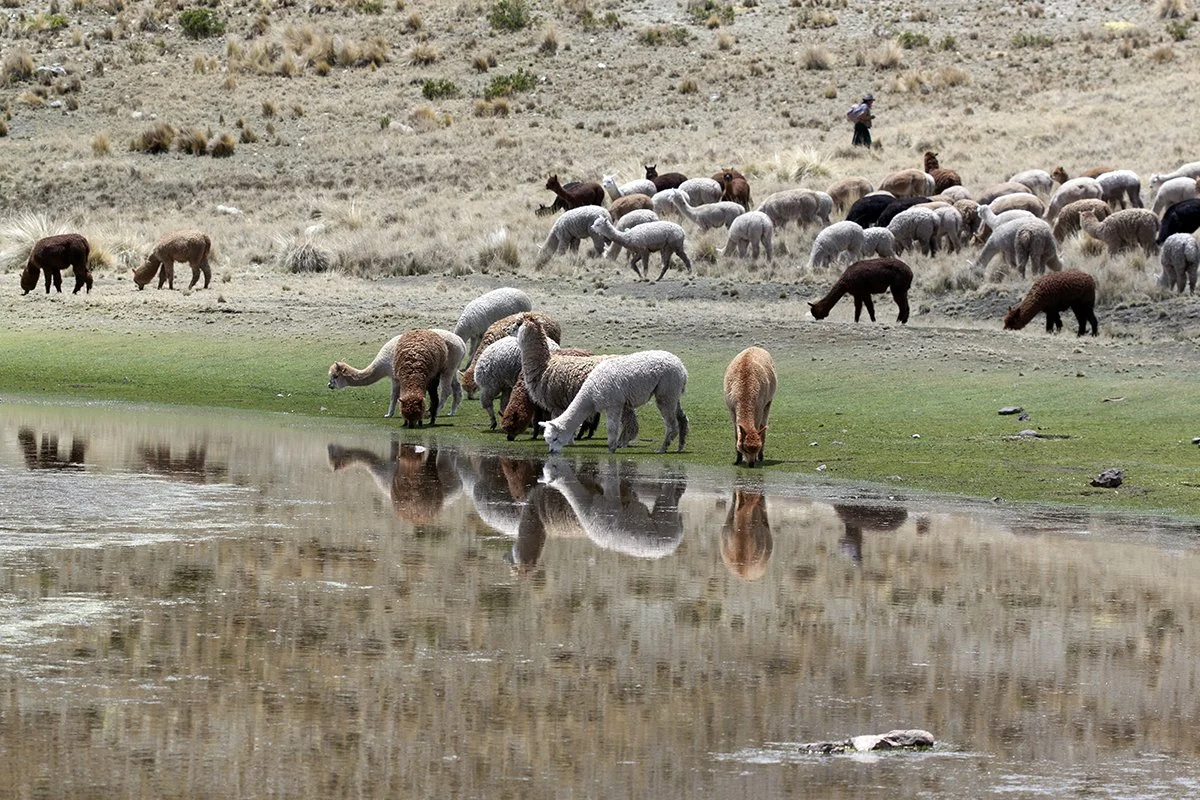
Our Alpaca comes from the Peruvian Andes, again sourced from smaller farmers whose way of life is their animals, the mill work closely with the alpaca farmers to improve breeding programs and help them to produce the best alpaca in the world. The sorting of this Alpaca is quite extraordinary, the fibres are sorted by micron and by colour by highly skilled women, it’s really fascinating to watch.
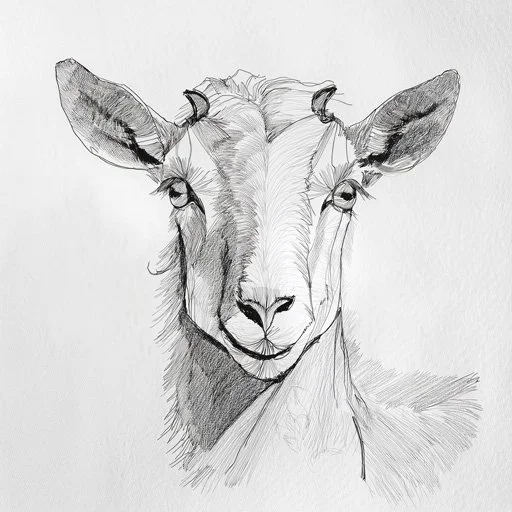
Mohair
Our Mohair is sourced from South Africa, and we are really excited to be finally offering RMS Certified mohair fiber for all of our mohair based yarns.
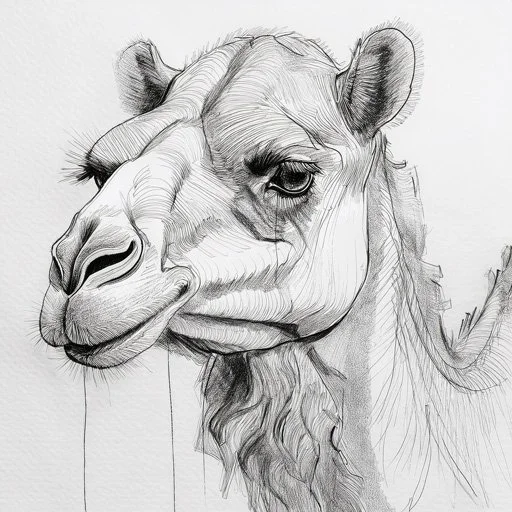
Camel
Our Camel comes from Asia and generally from one year old Camels.
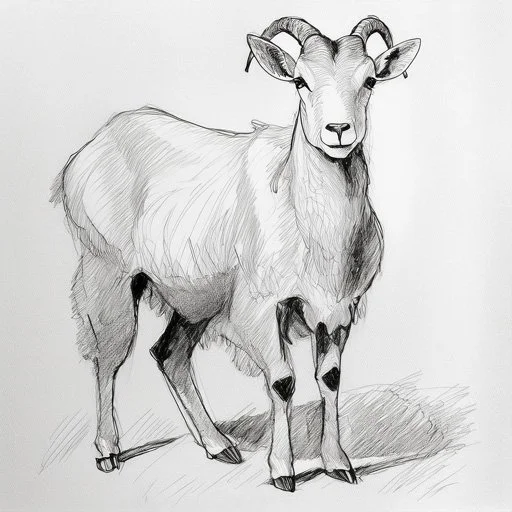
Cashmere
Our Cashmere comes from Mongolia and China
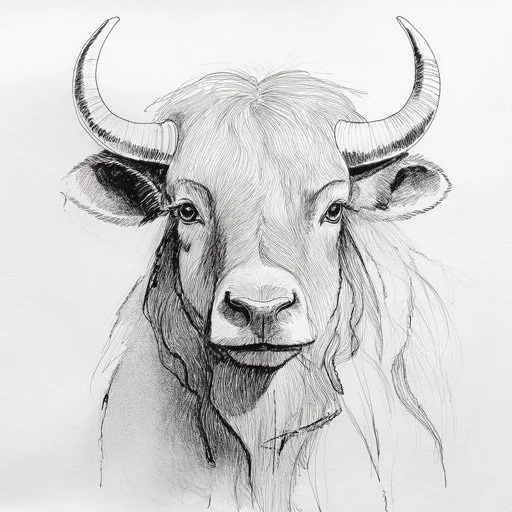
Yak
Our Yak comes from Tibet & Mongolia
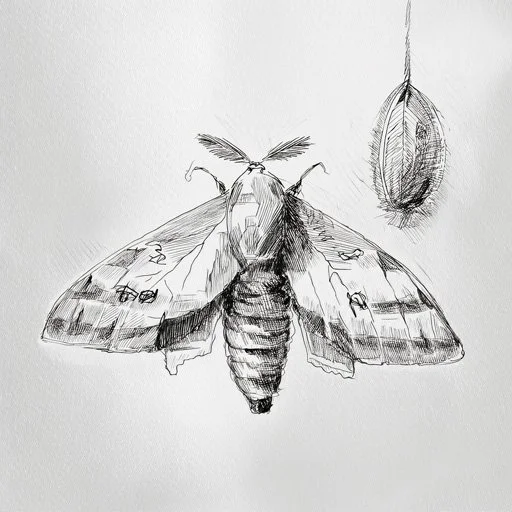
Silk
Our Silk comes primarily from China
Linen
Our Linen is grown and processed in Europe.
Tencel
Our Tencel is produced by Lenzing, and is certified as such.
Pima Cotton
Our Pima cotton is grown and processed in Peru.
Cupro
Our Cupro comes from Japan. Cupro is made from waste cotton stalks which are a source of cellulose . Cupro is described as a vegan silk alternative as it has similar properties – long staple length, silky smooth and very lightweight. Cupro is made in a closed-loop system. It is energy intense, like bamboo and Tencel, but the components of the processing are used again and again.
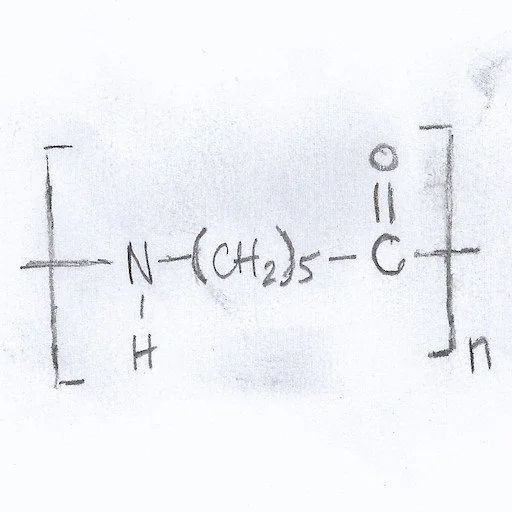
Nylon
Our Nylon is made in Germany
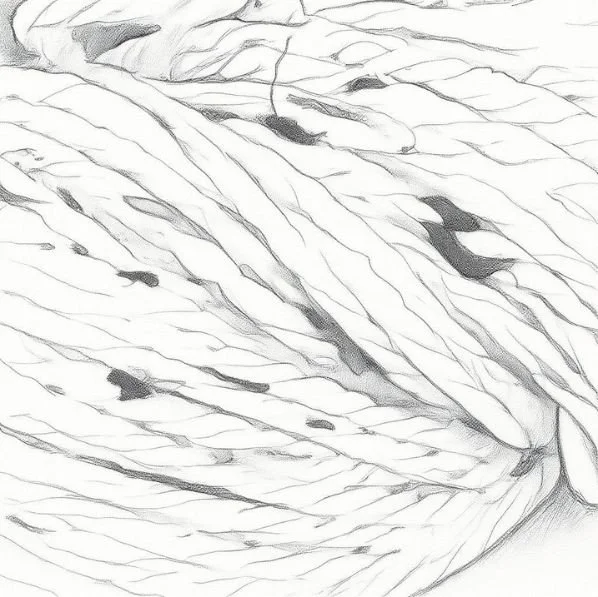
Donegal Neps
Our Donegal Neps are made in Italy
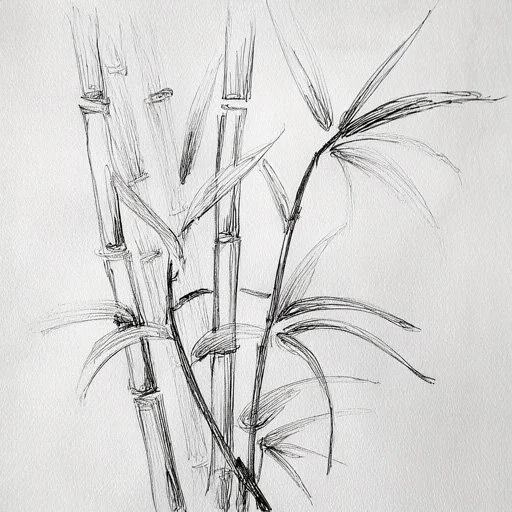
Bamboo
Our Bamboo is processed in Italy
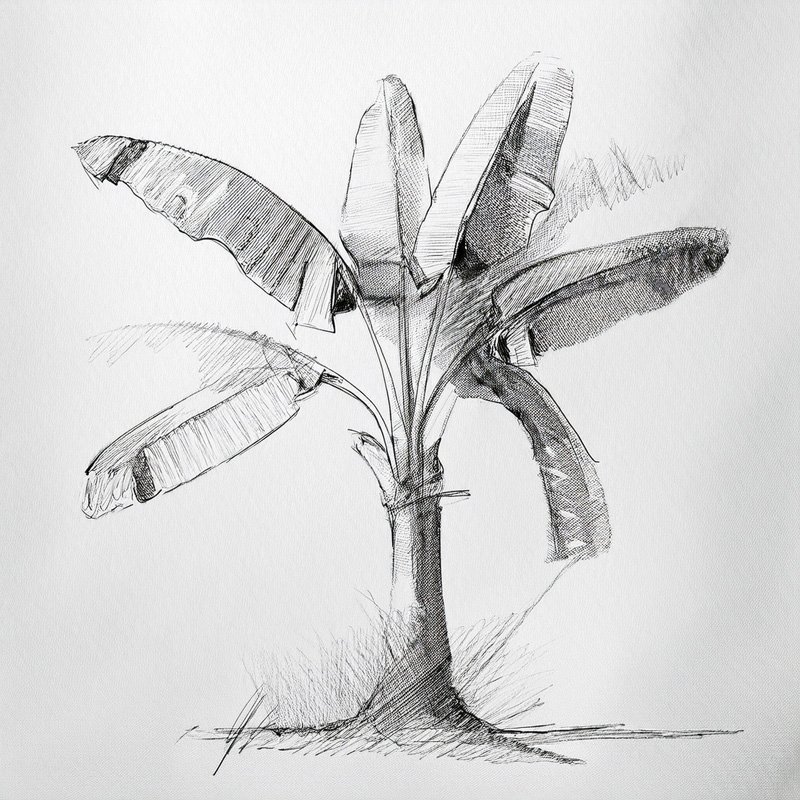
Abaca
Our Abaca Paper is grown in The Philippines and processed in Taiwan. Abaca is a cellulose fibre from the Musa plant,which is pulped and turned into paper. It is made into sheets which are then shredded and spun or plied with other fibres to create yarn. Abaca is considered a very sustainable and environmentally friendly fibre.
information about Treatments to our fibres
Easy Wash
Easy Wash is an anti-shrinkage enzymatic and oxidant treatment that allows the use of Alpaca yarns that require machine washing and it is made in a sustainable and environmentally friendly way. The characteristics of the new Sustainable Easy Wash Alpaca yarns are:
The natural character of the fiber is maintained, and not as other treatments that lose it because the fiber is covered with synthetic material.
All the treatment is free of chlorine, resins and sulfuric acid, so do not present any kind of contamination to the fibers.
Do not contain any type of harmful chemicals.
It is approved by Oekotex
There is still a small amount of shrinkage, but maximum shrinkage is only about 8%.
Superwash
Superwash is a treatment applied to wool fibres that makes them more resistant to shrinking and changes the dye absorbability. In the 80’s superwash treatment got a bad rap because in some countries the effluent was not recycled. This has, however, changed dramatically as the EU enforced very strict laws and any by-products must be removed from the water before it is discharged into the water systems.
The mill where we get our merino processed is accredited with the EU Flower and OEKO-TEX 100 and runs a state-of-the-art effluent treatment plant. This now means that the water is recycled and when it is discharged it is better than the drinking water you get from the tap. We can only speak for our fibres, this does not mean that other superwash treatments follow these procedures. We are very particular about where our wool is superwash-treated. Jeni has personally been to visit our Superwash treatment plant in the UK that processes our Bluefaced Leicester, and this was a really interesting visit, the owner has PhD in this area and employs the most up-to-date superwash techniques and is always trailing new ideas. Jeni is also constantly reviewing the biodegradability studies of superwash yarns, and there is some great research being published on that front.
So... what does the process involve? Again please note this is only relevant for our yarns, it may not apply to other superwash fibres. Firstly the wool is treated in chlorine to dull the edges of the scales of the wool, this reduces the ability of the scales to stick to each other and therefore reduces felting.
Secondly, a resin is applied and creates a microscopic web-like structure permanently bonded to the wool, this smooths the scales, improving the handle and preventing felting whilst maintaining the dyeability. Recent studies have shown that the type of superwash wool we use, biodegrades very quickly in composting and marine environments, the good thing about the resin used on our wools is that it is a fairly weak structure, (unlike other resins that are applied to other types of shrink resistant treatments and may resist breaking down) which means it is a great option because it has shown in studies to break down very quickly leaving no residues. The other shrink-resistant treatments also inhibit the dyeability of the wool which is why they are not suitable for our yarns.
On balance we like superwash yarns because they improve the longevity of the yarns and make them more accessible to people where hand washing would not be feasible regularly.
EZ-Dye
Our EZ-Dye Enzyme-Treated Merino Wool is produced in Peru. This is a 21 .5 micron Merino wool fibre which has had an environmentally-friendly enzyme treatment . This results in improved dye uptake when compared to non-superwash fibre. Colours appear brighter and are more similar to superwash yarns. And the yarn will not shrink quite as much compared to classic non-superwash yarns.